


Julian Brown The Young Inventor Transforming Plastic Waste into Gasoline

Updated: Dec 1, 2025
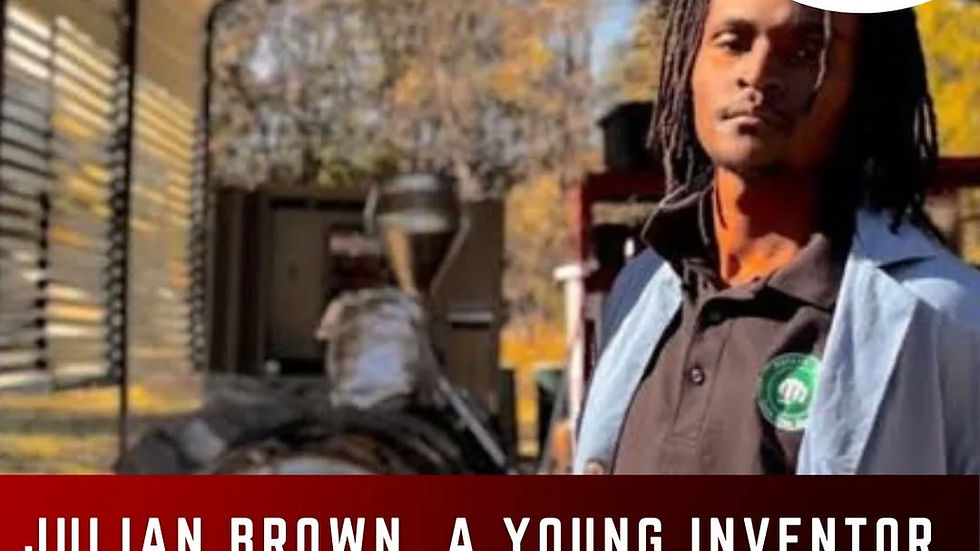
In a world drowning in plastic waste, solutions that can truly make a difference are essential. Meet Julian Brown, a young inventor whose inspiring technology can turn discarded plastics into usable gasoline. This innovation not only tackles the growing problem of plastic pollution but also serves as a promising alternative to traditional fossil fuels. In this blog post, we will follow Julian's remarkable journey, dive into the technology he developed, and examine how his invention could reshape the environment and energy markets.
The Journey of a Young Inventor
Julian's journey began during his teenage years when he recognized the severe environmental issues linked to plastic waste. Growing up in a neighborhood filled with litter and overflowing landfills ignited his desire for change. Driven by his aspiration to create something impactful, Julian dedicated himself to learning chemistry and engineering.
Fueled by curiosity, Julian began experimenting with diverse recycling methods. After several years of trial and error, he developed an effective process to break down plastics into their basic components, which can then be transformed into gasoline. For example, after working on over 100 plastic samples, he finally created a technique that yielded a 70% success rate in conversion. This breakthrough illustrates not just his ingenuity but also the potential for youth to play a vital role in tackling pressing global issues.
The Technology Behind the Transformation
Central to Julian's invention is a specialized chemical method that employs heat and pressure to decompose plastic polymers. This process, known as pyrolysis, heats plastic waste in an oxygen-free environment to prevent combustion. During this process, plastics break down into smaller molecules, resulting in a combination of gases, oils, and char.
The gases obtained from pyrolysis can be further processed and condensed to create liquid hydrocarbons, effectively converting them into gasoline. Studies suggest that using Julian's method could reduce plastic waste by up to 90% while generating renewable energy. This innovative approach transforms how we manage waste and produce energy.
Environmental Impact
Julian's invention carries significant environmental implications. Each year, the world generates over 300 million tons of plastic waste, with around 50% going to landfills and oceans due to inadequate recycling efforts. By converting plastic into gasoline, Julian's technology achieves a dual goal: reducing plastic waste while providing a sustainable energy resource.
This innovative process could lead to a 50% reduction in reliance on traditional fossil fuels, translating into a substantial drop in greenhouse gas emissions. Moreover, it aligns with the global push for a circular economy—promoting the idea that waste can be minimized and resources reused.
Challenges and Future Prospects
While Julian's invention is promising, it faces several hurdles. Scaling up for commercial use will need substantial funding and advancements in infrastructure. There are regulatory challenges as well, with many countries enforcing strict rules in the energy sector.
Nevertheless, Julian remains hopeful. He envisions partnerships with waste management companies and energy providers to implement his technology on a wider scale. By working alongside industry leaders, Julian believes he can bring his vision to life and create a meaningful impact on the environment.
The Role of Young Innovators
Julian Brown's story underscores the incredible potential that young inventors have to drive change. With ideas, determination, and a readiness to confront difficult challenges, they can create solutions for their communities and the world. Julian's journey motivates other young innovators to pursue their passions and seek new ways to address urgent global issues.
As we tackle climate change and environmental degradation, the contributions of young minds like Julian's are crucial. Their fresh insights and inventive solutions can lead to breakthroughs that traditional methods might overlook.
A Bright Future Ahead
Julian Brown exemplifies how one young inventor can significantly transform the world. By developing a process to convert plastic waste into gasoline, he addresses the critical issue of plastic pollution while offering a potential sustainable energy source. As the fight against environmental challenges continues, it's vital to promote and support young innovators shaping a cleaner, sustainable future.
Julian's journey is just stepping into its next phase, and the prospects of his technology are immense. With ongoing research, financial backing, and collaboration, we may soon witness a world where plastic waste is not just a problem but a valuable resource. The future lies in the hands of the next generation of creators and thinkers.
The Importance of Innovation in Sustainability
Innovation plays a crucial role in sustainability. As we face increasing environmental challenges, new technologies and ideas are essential. Julian's work exemplifies how innovation can lead to practical solutions that benefit both the planet and society.
By focusing on sustainable practices, we can create a healthier environment. This not only improves our quality of life but also ensures that future generations inherit a cleaner planet. Julian's invention is a step in the right direction, showing that with creativity and determination, we can turn waste into valuable resources.
Conclusion
In conclusion, Julian Brown's journey is a testament to the power of innovation in addressing global issues. His ability to transform plastic waste into gasoline is not just a technological achievement; it is a beacon of hope for a more sustainable future. As we continue to explore new ways to combat environmental challenges, let us support and celebrate young innovators like Julian who are paving the way for a cleaner, greener world.
With the right support and collaboration, Julian's vision can become a reality. The potential for his technology to reshape the energy landscape is immense. As we look ahead, we must embrace innovation and work together to create a sustainable future for all.
---wix---


Comments